
Views: 0 Author: Site Editor Publish Time: 2026-11-17 Origin: Site


PVC plastic (Polyvinyl Chloride) is a widely used thermoplastic known for its good chemical resistance, electrical insulation properties, and processing versatility. By adjusting its material formulation, you can obtain PVC materials with different levels of hardness and performance to meet the application requirements of both rigid structural components and flexible plastic parts.
So, what is PVC material made of? What are its main properties and types? And what products and processing methods is it suitable for? In this article, you'll learn about PVC material composition, how PVC is made, its key properties, common types, and applications, helping you make a more suitable material choice based on your product requirements.
Table of Contents
| 1. What Is pvc Plastic? |
| 2. Advantages and Disadvantages of pvc |
| 3. Types of pvc Materials |
| 5. Common Processing Methods for pvc Materials |
| 6. Conclusion |
| 7. FAQ |
PVC plastic, also known as Polyvinyl Chloride, is a thermoplastic polymer produced through the polymerization of vinyl chloride monomer (VCM). It belongs to the family of vinyl polymers and is one of the most widely used plastics. Its molecular backbone consists of carbon atoms, with each repeating structural unit containing a chlorine atom. This molecular structure gives PVC its distinctive material properties.
The repeating structural unit of PVC can be represented as:
[ (-CH_2-CHCl-)_n]
In terms of chemical composition, PVC primarily consists of three elements: carbon, hydrogen, and chlorine. Compared with common polyolefin plastics such as polyethylene (PE) and polypropylene (PP), the chlorine atoms in the PVC molecular structure give PVC different polarity, chemical resistance, and thermal processing characteristics.
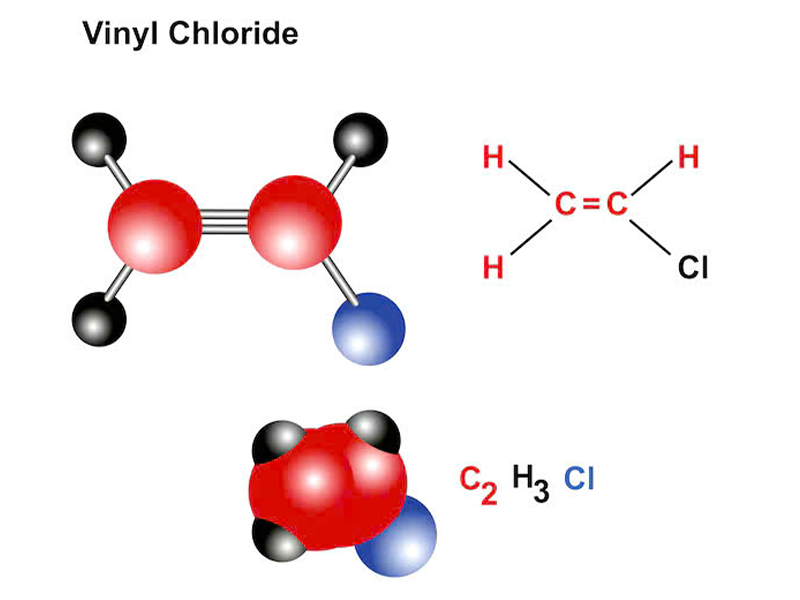
PVC plastic offers good chemical resistance, electrical insulation, flame retardancy, and formulation flexibility, making it widely used in building and construction, electrical, automotive, and industrial applications. Depending on the type of PVC material and its formulation, its mechanical strength, flexibility, and heat resistance can vary.
When developing a product, you need to consider the material's operating environment, mechanical load, working temperature, and processing requirements. The following sections examine five key advantages and three limitations to help you better understand the main properties of PVC material.
PVC offers good resistance to chemical corrosion and can withstand exposure to a wide range of acids, alkalis, salt solutions, and common chemical media. Under appropriate temperature and concentration conditions, the material is less likely to experience significant corrosion or performance changes.
This property makes PVC suitable for products that require long-term contact with chemical substances, such as chemical storage containers, industrial pipes, valves, and fluid handling equipment.
One of the key advantages of PVC is that you can adjust its hardness and flexibility by modifying the material formulation. By adding different proportions of plasticizers, you can obtain PVC materials ranging from rigid to flexible to meet various product design requirements.
For example, Rigid PVC offers higher stiffness and structural stability, making it suitable for pipes, equipment housings, and structural components. Flexible PVC provides greater flexibility and elongation, making it suitable for hoses, cable insulation, and seals.Some flexible PVC grades can achieve an elongation at break of over 230%, depending on the plasticizer content, formulation, and material grade.
PVC has good electrical insulation properties, helping reduce the risk of electrical current passing through the material. This makes it widely used in electrical and electronic product manufacturing.
The volume resistivity of certain rigid PVC grades can reach (10^{15}\ \Omega \cdot cm), indicating good insulating performance. Common applications include wire and cable insulation, electrical protective conduits, junction boxes, and electrical equipment housings.
If your product is intended for electrical applications, you need to select a PVC material grade that meets the relevant operating voltage, temperature, and safety requirements. You should also verify its electrical performance through the corresponding test data.
The chlorine content in the molecular structure of PVC gives it inherent flame-retardant properties. Compared with many conventional thermoplastics, PVC generally has a lower tendency to sustain combustion when exposed to a flame. Some PVC grades can self-extinguish once the flame source is removed.
If your product needs to meet a specific flame-retardant rating, such as UL94 V-0, you still need to select a PVC formulation that has been tested and certified to the required standard. You should not assume that all PVC grades meet the V-0 rating simply because PVC has inherent flame-retardant properties.
PVC has low water absorption, which helps reduce the effects of environmental humidity on material dimensions and mechanical properties. For plastic components that operate in humid environments over extended periods, this property helps maintain dimensional stability.
For example, certain rigid PVC sheets have a water absorption rate of approximately 0.03%–0.06% after 24 hours of immersion at 23°C. Rigid PVC typically has a tensile strength of around 45–60 MPa, making it suitable for many structural applications that require adequate mechanical strength.
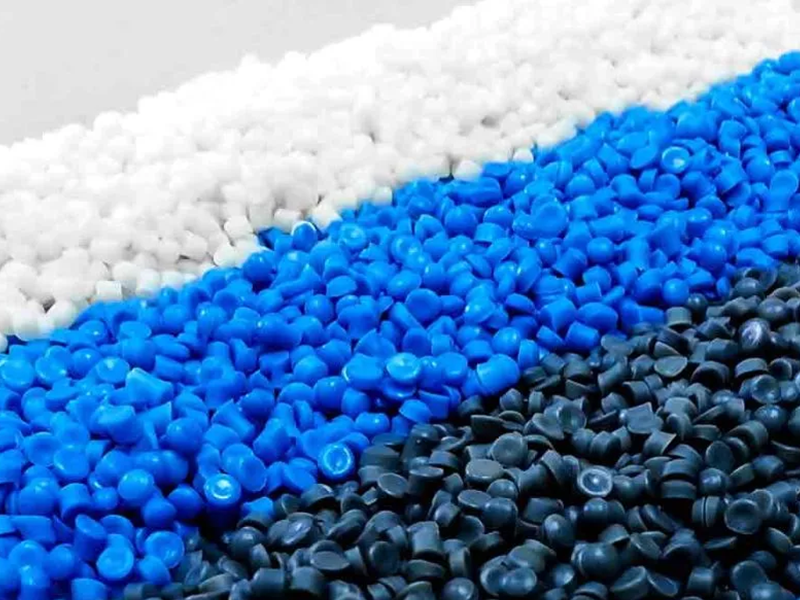
Although PVC plastic offers several performance advantages, you still need to consider its limitations in heat resistance, low-temperature toughness, and processing stability when selecting materials and designing products.
Conventional PVC has relatively limited long-term heat resistance. Rigid PVC, in particular, may soften, deform, or experience a decline in mechanical properties when continuously exposed to high temperatures.
The heat deflection temperature (HDT) of common rigid PVC grades is typically around 60–70°C, depending on the material formulation and test conditions.
PVC is sensitive to processing temperatures. When the material is exposed to excessively high temperatures for an extended period, thermal degradation may occur, releasing hydrogen chloride (HCl). This can cause material discoloration, reduced mechanical performance, and processing defects.
Therefore, during PVC injection molding or extrusion, you need to carefully control the barrel temperature, melt temperature, and material residence time. You should also select appropriate heat stabilizers to maintain processing stability.
Rigid PVC, also known as Unplasticized PVC (uPVC), contains no plasticizers or only a very small amount. Without the addition of plasticizers to increase molecular chain mobility, this material offers high rigidity, good dimensional stability, and chemical resistance.
Key Performance Characteristics:
Property |
Characteristics |
Rigidity |
Offers high stiffness and structural strength. |
Chemical Resistance |
Resists a wide range of acids, alkalis, and common chemical media. |
Dimensional Stability |
Has low water absorption and maintains relatively stable dimensions under normal operating conditions. |
Flame Retardancy |
Has inherent flame-retardant properties, although the specific rating depends on the material formulation. |
Flexible PVC is produced by adding plasticizers to PVC resin to improve its flexibility. Plasticizers lower the glass transition temperature (Tg) of the material and increase molecular chain mobility, allowing PVC to transition from a rigid state to a softer and more flexible material with a certain degree of elasticity.
Key Performance Characteristics:
Property |
Characteristics |
Flexibility |
Supports different levels of bending and deformation according to product design requirements. |
Elongation |
Some grades can achieve an elongation at break of over 200%. |
Electrical Insulation |
Suitable for various wire and cable insulation and protective applications. |
Processability |
Can be processed through extrusion, injection molding, and calendering. |
Plasticized PVC is a type of PVC material that contains added plasticizers to improve flexibility and processing performance. The term mainly describes the material formulation, while Flexible PVC focuses more on the soft and flexible properties of the finished material.
The proportion of plasticizer can be adjusted according to product requirements. Therefore, Plasticized PVC is available in a wide range of hardness levels, and not all plasticized PVC materials have the same degree of flexibility.
Key Performance Characteristics:
Property |
Characteristics |
Adjustable Hardness |
Different hardness levels can be achieved by adjusting the plasticizer content. |
Flexibility |
Offers better bending and deformation capabilities than unplasticized PVC. |
Processability |
An appropriate formulation helps optimize material processing and molding performance. |
Surface Performance |
Surface feel and performance can be adjusted according to product requirements. |
CPVC is a modified material produced by further chlorinating PVC resin. Compared with conventional PVC, CPVC has a higher chlorine content and generally offers improved heat resistance and, in some applications, enhanced chemical resistance.
Key Performance Characteristics:
Property |
Characteristics |
|
Heat Resistance |
Can generally withstand higher operating temperatures than conventional PVC. |
|
Chemical Resistance |
Offers good resistance to various acids, alkalis, and corrosive media. |
|
Mechanical Properties |
Maintains good structural strength under appropriate operating conditions. |
|
Corrosion Resistance |
Suitable for certain high-temperature fluid transportation and chemical processing systems. |
Impact-modified PVC is produced by adding impact modifiers to improve the toughness and impact resistance of PVC. Common modification methods involve incorporating suitable polymer modifiers to reduce the risk of cracking when the material is subjected to external forces.
Key Performance Characteristics:
Property |
Characteristics |
Impact Resistance |
Absorbs external impact energy more effectively, reducing the risk of brittle failure. |
Toughness |
Offers better impact resistance than some unmodified rigid PVC grades. |
Structural Performance |
Improves the material's ability to withstand external forces while maintaining a certain level of rigidity. |
The building and construction industry requires plastic materials with good corrosion resistance, weather resistance, and long-term durability. PVC offers good chemical resistance and low water absorption, making it suitable for various construction and infrastructure products.
PVC is widely used in water supply and drainage pipes, pipe fittings, window and door profiles, electrical conduits, PVC flooring, and wall coverings. Among these applications, Rigid PVC is commonly used for structural components such as pipes, connectors, and window and door frames.
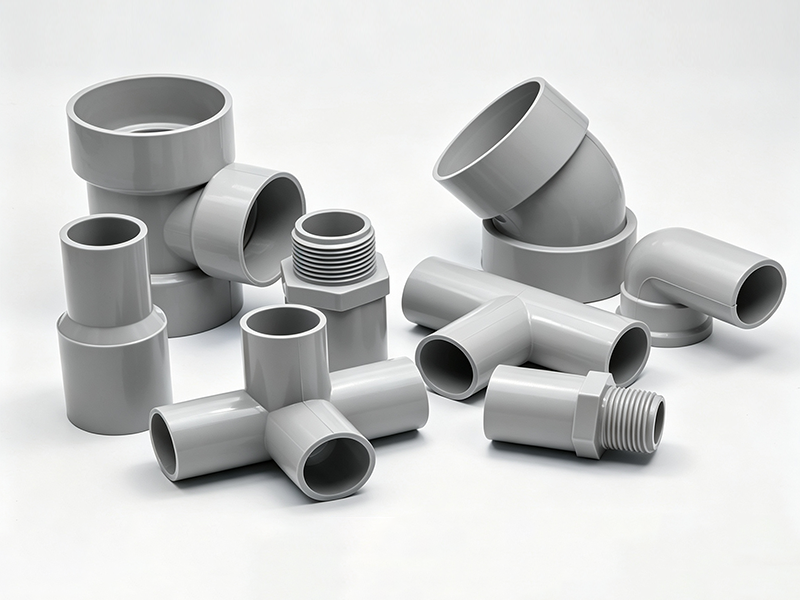
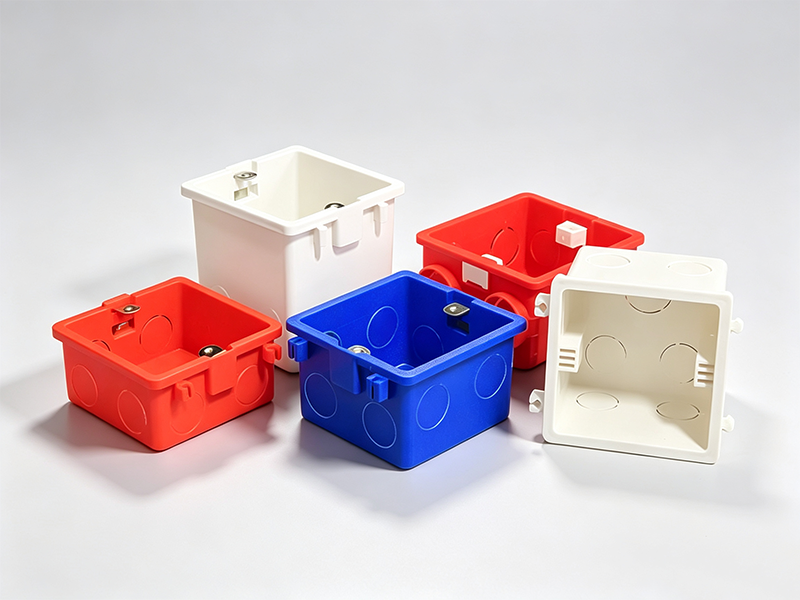
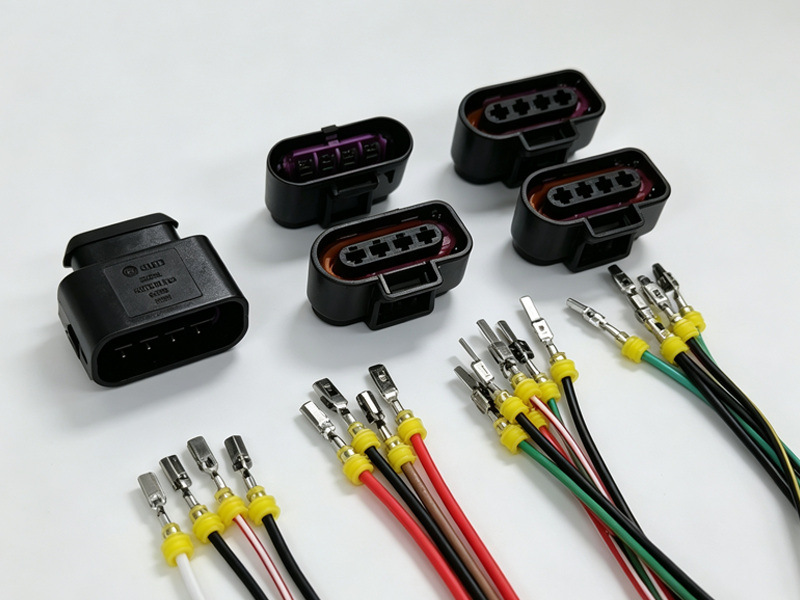
Electrical and electronic products typically require materials with good electrical insulation, a certain level of flame retardancy, and reliable mechanical protection. PVC's electrical insulation properties make it a common material choice for wire, cable, and electrical protection components.
PVC is commonly used in wire and cable insulation, cable jackets, electrical junction boxes, protective conduits, and certain electrical equipment housings. Depending on your product's insulation and flame-retardant requirements, you can select different PVC material formulations to meet the relevant specifications.
Automotive components require good durability, flexibility, and resistance to environmental changes. Since you can adjust PVC's hardness and flexibility through different material formulations, it can meet various structural and surface requirements for automotive parts.
PVC is commonly used in automotive dashboard skins, door interior trims, floor mats, wiring harness protection sleeves, cable jackets, and certain sealing components. Flexible PVC is particularly suitable for flexible interior components and protective structures.
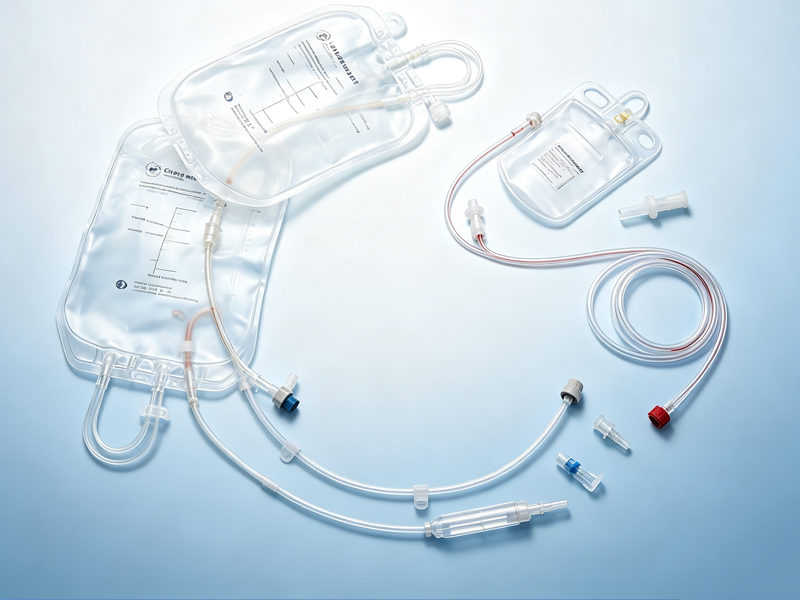
Medical products typically have high requirements for material flexibility, transparency, chemical stability, and biocompatibility. Specific medical-grade PVC formulations can meet the requirements of certain medical products for flexibility, transparency, and fluid transfer performance.
PVC is commonly used in IV infusion bags, medical tubing, blood transfusion tubing, blood storage bags, and connectors for certain medical devices. For medical applications, you need to verify that the specific PVC material grade meets the relevant biocompatibility, sterilization, and regulatory requirements.
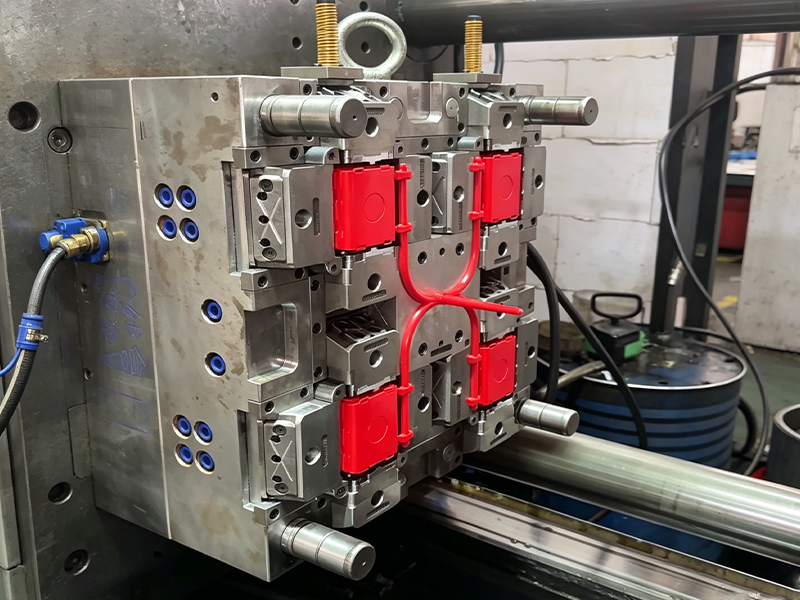
Injection molding is one of the common processing methods for PVC plastic. It is suitable for manufacturing plastic parts with complex geometries, varying wall thicknesses, and relatively high dimensional accuracy requirements.
During the injection molding process, PVC pellets or compounds are heated and plasticized by the screw inside the barrel. The molten material is then injected through the nozzle, runner system, and gate into the mold cavity under injection pressure. After packing, cooling, and solidification, the molded part is released from the mold by the ejection system to form the finished plastic product.
Key Processing Conditions for PVC Injection Molding:
PVC is sensitive to processing temperatures, particularly in its molten state. If the temperature is too high or the material remains in the barrel for too long, thermal degradation may occur, affecting the product's color, mechanical properties, and surface quality. Therefore, you need to pay close attention to the following processing conditions.
Processing Parameter |
Key Considerations |
Drying Conditions |
PVC has low moisture absorption and generally does not require mandatory drying. If the material has absorbed moisture, pre-drying should be carried out according to the supplier's recommendations. |
Melt Temperature |
Select an appropriate processing temperature based on the specific formulation of rigid or flexible PVC to avoid localized overheating. |
Barrel Temperature |
Set the temperature of each heating zone appropriately to ensure uniform material plasticization. |
Mold Temperature |
Adjust according to the part geometry, material type, and cooling requirements to ensure stable molding. |
Injection Speed |
Adjust according to the part wall thickness, flow length, and gate location to prevent incomplete filling and excessive shear. |
Holding Pressure |
Adjust based on material shrinkage and wall thickness distribution to reduce sink marks and dimensional deviations. |
Cooling Time |
Determine according to part thickness and mold cooling capacity to ensure sufficient solidification before ejection. |
The above processing parameters need to be adjusted according to the PVC material grade, formulation, part geometry, and injection molding equipment. Different PVC compounds may have significantly different processing windows, so you should always refer to the technical data provided by the material supplier.
Key Considerations for PVC Injection Mold Design:
In addition to injection molding process parameters, mold design also plays an important role in the molding quality of PVC products. Since PVC is sensitive to heat and shear, you need to pay particular attention to the following aspects during the mold design stage:
· Gate and Runner Design: Design the runner cross-section, gate size, and gate location appropriately to reduce melt flow resistance and localized shear heating, ensuring uniform filling of the mold cavity.
· Venting Design: Provide appropriate venting structures along the parting line, at the end of the flow path, and in other suitable locations to prevent trapped air from causing burn marks, short shots, and other molding defects.
· Cooling System Design: Arrange the cooling channels properly to maintain relatively uniform temperatures throughout the mold. This helps reduce uneven product shrinkage and warpage.
· Mold Steel Selection: Select suitable mold steel based on the PVC formulation and production requirements. Since PVC thermal degradation may release corrosive gases, you also need to consider the corrosion resistance of the mold material.
· Ejection System Design: Arrange ejector pins, ejector plates, and other ejection components according to the product geometry and wall thickness. This helps prevent deformation, ejector marks, and surface damage during demolding.
Common PVC Injection Molding Defects and Solutions:Defect |
Possible Causes |
Solutions |
Silver Streaks |
Material moisture, uneven plasticization, or inappropriate processing temperatures |
Check the material condition and optimize plasticization and temperature control. |
Burn Marks |
Poor mold venting or localized melt overheating |
Improve mold venting and reduce localized shear heating and overheating. |
Short Shot |
Insufficient injection pressure, excessive runner resistance, or poor venting |
Adjust injection parameters and optimize gate and runner design. |
Flash |
Insufficient clamping force, poor mold fitting, or excessive injection pressure |
Inspect the parting line and adjust the clamping force and injection parameters. |
Warpage |
Uneven cooling, inconsistent shrinkage, or inappropriate product design |
Optimize cooling channel layout and product geometry, and adjust holding pressure. |
For PVC injection molding projects, you need to consider not only material plasticization and molding conditions but also runner design, venting, cooling, and ejection structures during the mold design stage. A well-designed injection mold can help reduce molding defects, improve product dimensional stability, and maintain consistent quality during mass production.
Extrusion is a continuous processing method mainly used to manufacture PVC products with fixed cross-sectional profiles.
During the process, PVC compounds are conveyed and plasticized by a heated screw. The molten material is then continuously pushed through a specially designed die to form the desired profile. It subsequently passes through cooling and calibration equipment to achieve the required product shape and dimensions.
During PVC extrusion, you need to carefully control the melt temperature, screw speed, extrusion rate, and cooling conditions to maintain consistent cross-sectional dimensions, wall thickness, and surface quality.
Calendering is mainly used to manufacture PVC films and sheets. During this process, PVC compounds are heated and plasticized before passing through multiple rotating calender rolls. The material is continuously compressed to achieve the required thickness and width, followed by cooling, setting, and winding to produce the finished product.
If your product requires large-area PVC films or sheets with continuous production and uniform thickness, calendering is a common processing option. During production, you need to pay attention to roll temperature, roll gap, calendering speed, and material formulation to ensure consistent product thickness, surface quality, and dimensional stability.
PVC plastic is widely used in building and construction, electrical, automotive, medical, and industrial applications due to its good chemical resistance, electrical insulation properties, flame retardancy, and adjustable flexibility. Different types of PVC materials offer varying levels of rigidity, impact resistance, and heat resistance. You need to select the right PVC material and processing method based on your product geometry, operating environment, and performance requirements to ensure it meets your application needs.
With over 25 years of industry experience, Alpine Mold specializes in custom injection mold manufacturing and plastic parts production. Whether you are developing PVC plastic components or looking for a reliable manufacturing partner, we can provide suitable solutions based on your 3D drawings and project requirements.
PVC in its finished form is generally stable under normal conditions of use. However, its safety depends on the formulation, additives, and intended application. You should choose PVC grades that comply with relevant safety standards, especially for medical, food-contact, and drinking water applications. Burning PVC can release hazardous gases, including hydrogen chloride (HCl).
Yes, PVC is recyclable. It can be mechanically recycled by sorting, grinding, cleaning, and reprocessing into new products. However, different PVC formulations and additives can make recycling more challenging. If you are selecting PVC for a product, consider its material composition and available recycling facilities.
PVC does not have a single, well-defined melting point because it is an amorphous thermoplastic. It softens as the temperature rises and can undergo thermal degradation before conventional melting occurs. Its processing temperature depends on the material formulation, so you should follow the supplier's recommended processing conditions.
Standard PVC can degrade after prolonged exposure to ultraviolet (UV) radiation, potentially causing discoloration, reduced flexibility, and surface deterioration. For outdoor applications, you should choose UV-stabilized PVC formulations or grades specifically designed to withstand long-term sunlight exposure.
CPVC is produced by further chlorinating PVC resin, resulting in a higher chlorine content and improved heat resistance. Conventional PVC is commonly used for general piping and construction applications, while CPVC is more suitable for hot water systems and certain higher-temperature chemical applications.


