WhatsApp: +86 18126157548 Email: kerry@alpinemold.com

Views: 0 Author: Site Editor Publish Time: 2025-11-07 Origin: Site


So, your injection mold in China is finally ready. That's the good news. But if you're like many of the seasoned buyers and CEOs I speak with, you're now facing what can feel like the most uncertain part of the process: how to recover that injection mold from China and get it safely to your factory floor. Honestly, this is where the real stress often begins.
We've all heard the stories—or maybe lived through them. The dreaded email with photos of a crate that arrived with a cracked core pin inside. The mold that got held up at customs for weeks over a paperwork hiccup. Or the invoice that landed with unexpected freight charges that blew the budget. It’s enough to make anyone nervous.
The truth is, a manufacturing partnership shouldn't end when the mold passes its trial. It needs to extend all the way to your receiving dock. In this guide, I want to pull back the curtain on what a professional logistics process really looks like from this side of the world. We'll walk through the practical steps we take to protect your investment, so you know exactly what to expect and how to collaborate for a perfectly smooth delivery.
I need to be straightforward about something we see too often. There's a common misconception that once the manufacturing is done, the hard part is over. But in my experience, that's when another set of challenges can begin. Figuring out how to recover your injection mold from China safely is where many projects face their biggest—and most expensive—test.
Let's be clear: we're not talking about shipping a pallet of finished goods here. An injection mold is a different beast entirely. It's a high-precision piece of capital equipment, sometimes representing an investment of tens or even hundreds of thousands of dollars. Think about all those finely machined surfaces, critical cooling channels, and moving components. They're built to withstand the pressure of a molding machine, but the vibrations and impacts of a long-haul journey? That's a different story.
I've seen what can go wrong. A seemingly minor jolt during transit that fractures a core. Internal corrosion that sets in during a humid ocean crossing. These aren't simple fixes. We're talking about repair bills that can easily run into five figures and, even worse, project delays stretching for weeks while the mold is shipped back for repairs. Your entire production launch gets put on hold.
This is precisely why your approach to injection mold shipping from China needs a complete mindset shift. You have to stop thinking of it as simple "freight" and start treating it as precision asset logistics. The goal isn't just to move a box from point A to point B. The real goal is to deliver a complex, valuable piece of engineering in perfect working order, ready to be bolted onto a press and start making parts. Getting this phase right is what separates a smooth production ramp-up from a logistical nightmare.
Getting your mold transportation from China right is arguably just as important as the manufacturing itself. It's the crucial bridge between a successful trial in our facility and profitable production in yours. By focusing on damage prevention for mold transport from the very start, you're not just moving a tool—you're protecting a critical business asset.
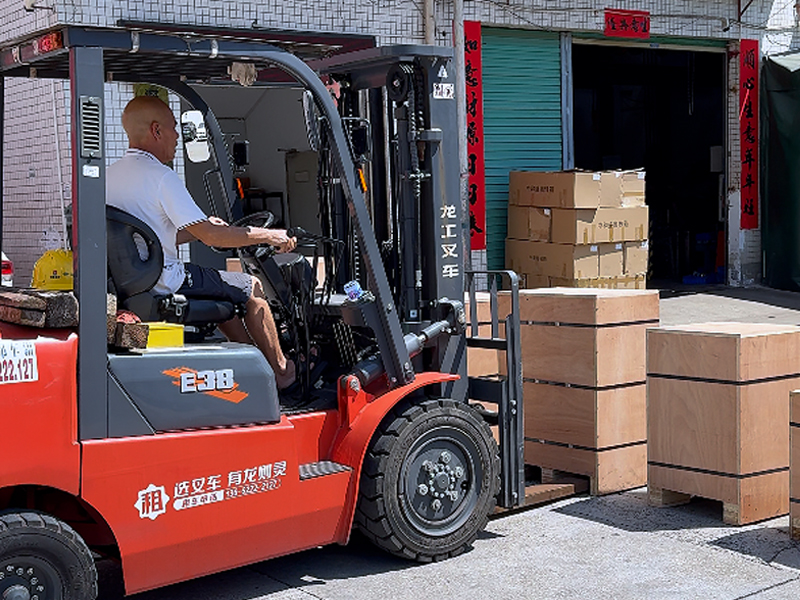
When it comes to figuring out how to recover your injection mold from China without damage, I always tell our partners that the real work begins long before the truck arrives. Honestly, the packaging process is where we make our first - and arguably most important - commitment to your mold's safety. Let me walk you through what this actually looks like on our shop floor.
Before we even think about packaging materials, we give every mold what we call a "health check" before it leaves our facility. This isn't just a quick wipe-down - we completely disassemble vulnerable components like delicate cores and ejector pins, giving each piece a thorough cleaning and applying specialized VCI anti-corrosion paper or protective coatings. We've found that humidity during ocean transit can be surprisingly destructive, so this step is non-negotiable. Finally, we conduct a full function test to ensure everything is in perfect working order. Essentially, we're making sure your mold leaves here in better condition than it needs to be, accounting for the rigors of the journey ahead.
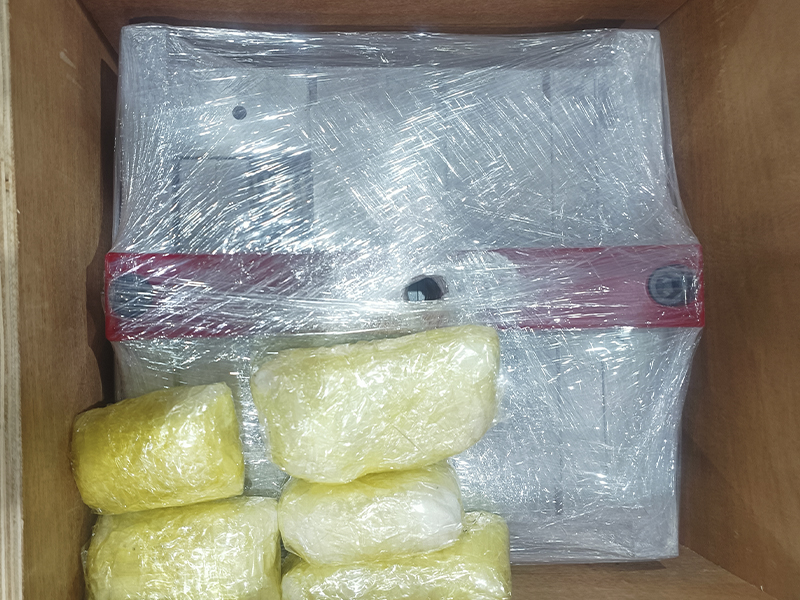
Now for the physical protection. I need to be clear about this - we don't use standard, one-size-fits-all wooden boxes. Each crate is engineered specifically for the mold it will carry, with reinforced framing and precisely positioned mounting points that bolt directly to the mold's base. Our team custom-cuts high-density foam and installs special blocking to create a snug fit that eliminates any possibility of movement inside the crate. What you're getting is essentially a custom-built protective shell, not just a shipping container. This level of attention to damage prevention for mold transport might seem excessive, but it's what consistently delivers molds that arrive in perfect condition.
This meticulous approach to injection mold shipping from China does more than just protect your physical asset - it gives you complete peace of mind. When you see the level of detail we put into our packaging, you'll understand why so many of our clients trust us with their mold transportation from China year after year.
Once your mold is securely packed, the next big decision in planning how to recover your injection mold from China is choosing between air and sea freight. I always advise our partners to see this not as a simple cost comparison, but as a strategic choice that affects your entire project timeline. Let me break down the real-world differences we've observed after handling thousands of shipments.
Here's a straightforward comparison that reflects what we typically discuss with our clients:
Consideration | Air Freight | Sea Freight |
Speed | Fast (3-7 days) | Slow (20-40 days) |
Cost | High | Low |
Best For | Urgent sampling, smaller molds, tight deadlines | Large/heavy molds (>2 tons), budget-sensitive projects |
The cost difference isn't just about shipping fees - it's about your project's overall economics. Air freight gives you that crucial speed when every day counts, while sea freight requires more planning but significantly reduces your logistics expenses.
From our experience handling injection mold shipping from China, here's what usually works best: For new partnerships or when you need to start sampling immediately, we typically recommend air freight to accelerate your development cycle. The faster you can verify the mold's performance and begin market testing, the quicker you'll see returns on your investment.
However, when dealing with production tools weighing over 2 tons, sea freight almost always makes more financial sense. The savings are substantial enough that many clients choose to invest those funds elsewhere in their project. The key with ocean mold transportation from China is planning ahead - we help clients build that buffer into their timelines from the very beginning.
What many people don't realize is that the shipping method also affects other aspects of your customs clearance for injection mold. Air shipments often clear customs faster due to the streamlined nature of air cargo operations, while sea freight requires more lead time for documentation processing. This is something we factor into our recommendations based on your specific circumstances.
Ultimately, there's no one-size-fits-all answer to how to protect injection mold during shipping - both methods can be equally safe when proper packaging protocols are followed. The right choice depends entirely on your budget, timeline, and business priorities. We've found that being transparent about these trade-offs helps our partners make informed decisions that align with their strategic goals.
Let me be honest about something - when it comes to actually executing how to recover your injection mold from China, the customs and insurance aspects are where I see even experienced professionals get caught off guard. These aren't the most exciting topics, but honestly, they can make or break your entire shipping experience.
Dealing with customs is probably the part that makes people most nervous, and I get it. The paperwork can feel overwhelming. What we've learned after years of handling injection mold shipping from China is that consistency matters most. For every shipment, we provide the complete set of documents - commercial invoice, packing list, and certificate of origin - all filled out with precise, consistent information. We make sure the values and descriptions match perfectly across all documents because, from what we've seen, that's what makes the customs clearance for injection mold processes go smoothly. It's the small details that prevent those frustrating weeks-long delays at the port.
Now, about insurance - this is where I always give my straightforward advice. While our team does everything humanly possible for damage prevention for mold transport, the reality is that once your mold leaves our facility, it's moving through a complex logistics chain with multiple handoffs. We strongly recommend purchasing full transportation insurance. Think of it not as an unnecessary cost, but as a relatively small investment that protects your much larger investment in the mold itself.
What we've arranged for our clients is pretty straightforward - we can help facilitate the insurance process through our logistics partners. The cost typically ranges between 0.3% to 0.8% of the mold's declared value, which is really quite reasonable when you consider what's at stake. I've personally seen cases where having that coverage saved clients from significant financial loss due to incidents that truly couldn't have been predicted.
The way I see it, proper documentation and adequate insurance work together to create a safety net for your mold transportation from China. They address the two biggest "unknowns" that worry people most - regulatory delays and physical damage. Getting these elements right means you're not just hoping for the best, you're actually building a predictable, professional process for how to protect injection mold during shipping from our door to yours.
At this point, you might be wondering how all these pieces actually come together in practice. Let me share something we've learned over the years - producing a perfect mold is only half the job. The real test begins when we need to get that mold safely into your hands. This is where our approach to how to recover your injection mold from China becomes fundamentally different.
What we offer isn't just a manufacturing service with shipping tacked on as an afterthought. From the moment your mold completes FAI (First Article Inspection), our logistics team takes over with the same level of professionalism our engineers brought to the manufacturing process. We've built what amounts to a door-to-door solution that handles everything from that critical initial packaging phase through to helping you navigate the final customs clearance at your port.
Here's what this looks like in reality:
Your mold receives the same protective packaging we discussed earlier
We provide honest recommendations on shipping methods based on your timeline and budget
Our team prepares all the necessary export documentation with painstaking attention to detail
You receive regular tracking updates and a single point of contact throughout the journey
What this means for you is actually quite simple: instead of juggling multiple vendors and worrying about cross-continental logistics, you can focus on what you do best - product development and market strategy. The peace of mind that comes from knowing your mold investment is in expert hands from our production floor to your receiving dock is, in our experience, what truly sets apart a good supplier from a real partner.
The truth is, we've seen how stressful mold transportation from China can be when handled improperly. That's why we've made the conscious decision to master this process rather than outsource it. When you work with us, you're not just getting a manufacturer - you're gaining a logistics partner who understands the critical importance of getting your tooling to you safely, on time, and without any unpleasant surprises along the way.
Successfully recovering your injection mold from China requires seamless integration of manufacturing expertise and logistics precision. At Alpine Mold, we've mastered this complete process—from producing high-quality molds to ensuring their safe arrival at your facility through professional injection mold shipping solutions.
Don't let logistics complexities delay your production timeline. Contact us today to experience a partnership that delivers both exceptional molds and complete peace of mind throughout the entire supply chain. Let us show you how a truly integrated approach can simplify your mold recovery from China and accelerate your time to market.
We implement a rigorous 3-stage quality control process: First Article Inspection (FAI), dimensional verification using CMM, and final functional testing. Every mold must pass all checks before being approved for shipping.
We provide complete documentation package: commercial invoice, packing list, certificate of origin, shipping documents, and insurance certificates. All documents are prepared according to international standards for smooth customs clearance.
While we handle all export formalities from China, we partner with reliable customs brokers in destination countries. We can recommend trusted partners or work directly with your preferred customs agent to ensure seamless clearance.
You'll have a dedicated project manager who provides regular updates and tracking information. We maintain transparent communication through your preferred channels (email, WhatsApp, WeChat) with 24-hour response guarantee.
We accept all major CAD formats including STEP, IGES, X_T, as well as native files from SolidWorks, CATIA, UG/NX. Our engineering team can work with 2D drawings in PDF or DWG format for comprehensive DFM analysis.
Standard terms: 50% deposit with order, 50% before shipment. For established partners, we offer flexible payment plans. All payments are secured through T/T, L/C, or other mutually agreed methods.
We maintain an agile approach with formal Engineering Change Order (ECO) process. Any requested modifications are documented, priced, and scheduled with minimal disruption to your timeline. Our project management system ensures complete transparency throughout the process.


